Reviewing Christmas Tree Family Illustrations
As a graphic designer who has spent the better part of a decade refining brand identities and seasonal campaigns, I approach every new graphic design asset with a critical eye. It is not enough for an image to be cute or festive; it must serve a functional purpose within a broader visual strategy. Recently, I had the opportunity to integrate the Christmas Tree Family collection into a project for a boutique handmade goods client. This review breaks down my practical experience using these Illustrations, offering insights for fellow designers, brand owners, and content creators who are evaluating whether this asset fits their next commercial design project.
First Impressions: Mood and Visual Style
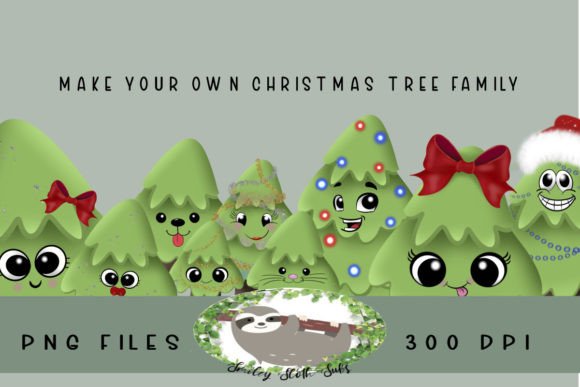
The moment I opened the files for the Christmas Tree Family, the immediate impression was one of warmth and nostalgic charm. The style leans heavily into a hand-drawn aesthetic, avoiding the sterile precision of vector perfection in favor of organic lines that feel authentic and approachable. For a client looking to establish a connection with their audience through emotional appeal, this mood is invaluable. It does not scream "corporate holiday sale"; instead, it whispers "cozy winter evening."
This specific visual language is ideal for projects that prioritize storytelling over hard selling. Whether you are working on editorial design for a lifestyle blog or creating packaging design for artisanal candles, the asset creates an instant sense of trust and familiarity. The Christmas Tree Family acts as a visual anchor, grounding the design in tradition while maintaining a modern, clean execution that prevents it from feeling dated.
Real-World Application in Client Projects
In my recent case study, the client was launching a limited-edition holiday gift set for their handmade business. They needed visuals that would translate well across both physical products and digital marketing channels. Here is how the Christmas Tree Family performed in various real-world scenarios:
- Packaging Design: The illustrations worked beautifully on kraft paper labels. The organic lines complemented the texture of the paper, enhancing the tactile experience of the unboxing process.
- Social Media Graphics: When adapted for Instagram posts and Pinterest pins, the assets provided a cohesive look for the campaign. They stood out against the clutter of polished, high-gloss competitor ads by offering a refreshing, human touch.
- Printable Design: We used the elements to create downloadable gift tags. The clarity of the lines ensured that even when printed at home by customers, the details remained sharp and recognizable.
- T-Shirt Design: For a companion apparel line, the central figure from the Christmas Tree Family was scaled up for a chest print. It maintained its integrity without becoming pixelated, proving its versatility as a sublimation design or direct-to-garment print.
For Cricut users and crafters, these files are particularly valuable. If available in SVG format, they allow for easy cutting of vinyl stickers or heat transfer materials. This makes the asset a strong candidate for Etsy product creators who rely on quick turnaround times for custom orders.
Strategic Placement and Visual Hierarchy
Understanding where to place these Illustrations is key to maintaining a professional layout. The Christmas Tree Family works best as a hero graphic or a focal point in large layout areas. Because the design carries significant visual weight due to its detailed linework, it commands attention. I recommend using it in center-stage positions on flyers, invitations, or website headers.
However, designers must be cautious about visual hierarchy. If you pair this asset with complex typography or busy backgrounds, the design can quickly become chaotic. I found that giving the illustration ample white space allowed it to breathe, enhancing its impact. In brand identity work, consistency is crucial. Using the Christmas Tree Family as a recurring motif across marketing visuals helps build recognition, but it should not overshadow the primary logo or call-to-action buttons.
Where to Use Caution
While versatile, this asset is not a universal solution. I would advise against using the Christmas Tree Family in minimalist branding projects that rely on stark, geometric aesthetics. The organic nature of the illustration clashes with rigid, corporate structures. Additionally, avoid placing these detailed clipart elements in small sizes, such as favicons or footer icons. The intricate details will lose definition, resulting in a muddy appearance that detracts from the overall professionalism of the web design.
Low-contrast designs also pose a risk. If you place a dark-lined illustration on a dark background without proper adjustment, readability suffers. Always test your digital product previews on both light and dark modes to ensure accessibility and visual clarity.
Technical Considerations for Professional Use
Before delivering any final files to a client, I run a series of technical checks. Here are my practical designer notes for anyone incorporating the Christmas Tree Family into their workflow:
- File Format Verification: Confirm whether you are working with PNG or SVG files. For Canva template creation, transparent PNGs are essential for layering. For scalable logo design or large-format printing, ensure you have access to vector files.
- Contrast Testing: Test the illustration in black and white. This helps identify any weak lines that might disappear during single-color printing processes, such as stamping or embossing.
- Mockup Integration: Never judge a design solely on screen. Place the Christmas Tree Family on real product mockups, such as mugs, tote bags, or greeting cards. This reveals how the design interacts with physical curves and textures.
- Licensing Review: Always double-check the commercial license terms. Ensure that your intended use, whether for print-on-demand sales or client branding, is covered. Protecting your client from legal issues is part of professional service.
- Typography Pairing: Experiment with different font styles. I found that pairing these Illustrations with a clean sans serif font created a nice balance between playful and modern. Alternatively, a handwritten font can amplify the cozy, personal feel, but use it sparingly to maintain readability.
Final Verdict for Designers and Business Owners
The Christmas Tree Family is more than just a seasonal decoration; it is a strategic tool for enhancing small business branding. It offers a unique blend of nostalgia and modern simplicity that resonates with today’s consumers who value authenticity. For designers, it provides a flexible foundation for creating cohesive design bundles that span from sticker design to comprehensive marketing visuals.
If you are a content creator or digital seller looking to elevate your holiday offerings, this asset delivers high value. It simplifies the creative process while ensuring a polished, professional outcome. By understanding its strengths in emotional engagement and its limitations in complex layouts, you can leverage the Christmas Tree Family to create memorable, impactful designs that drive engagement and sales. Ultimately, it is a worthy addition to any designer’s toolkit for the holiday season and beyond.