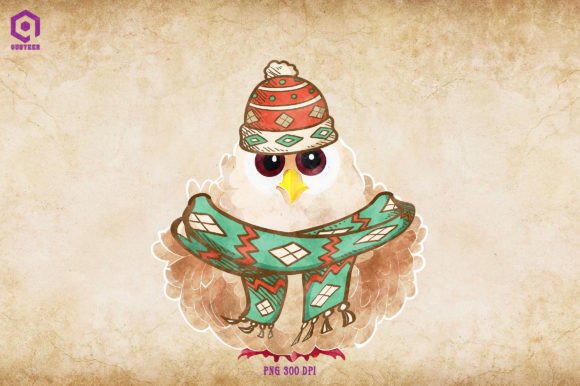
Review: Chicken Hen Cozy Christmas Embroidery Design
As a designer who spends more time staring at stitch simulations than I do sleeping, I have learned that not every cute illustration translates well to thread. We have all been there: you download a digital embroidery file that looks adorable on the screen, only to watch it turn into a puckered mess or an indistinguishable blob once the needle hits the fabric. That is why I approach new assets with a critical eye, looking beyond the preview image to understand how the design will actually behave in a real-world embroidery project.
Recently, I spent some time evaluating the Chicken Hen Cozy Christmas design. At first glance, it fits squarely into the popular category of whimsical Illustrations that dominate the holiday market. But my job is to determine if it holds up under the pressure of a commercial deadline. Here is my practical breakdown of how this design performs, where it shines, and what you need to watch out for before you hoop it up.
First Impressions and Visual Personality
The immediate mood of Chicken Hen Cozy Christmas is warm, nostalgic, and slightly humorous. It captures that specific "cozy" aesthetic that buyers are craving right now—think flannel pajamas, hot cocoa, and rustic farmhouse decor. The layout appears balanced, with a central figure that commands attention without being overly aggressive. For those of us selling handmade products, this visual personality is crucial. It does not scream for attention; instead, it invites a closer look, which is exactly what you want for a personalized gift or a boutique item.
From a technical standpoint, the design relies on a mix of fill stitch areas for the body of the hen and likely finer satin stitch or running stitch details for the facial features and accessories. This combination is standard for character-based designs, but the success lies in the transition between these stitch types. In my initial assessment, the density seems moderate, which is a good sign. Overly dense designs cause fabric distortion, while too-light designs lack durability. This one strikes a balance that suggests it was digitized with actual production in mind, not just for show.
Real-World Application: Where It Works Best
I tested the concept of this design mentally against several common product categories. The versatility of Chicken Hen Cozy Christmas makes it a strong candidate for various custom apparel items. Specifically, I see this thriving on adult-sized sweatshirts. The larger surface area of a crewneck allows the design to breathe, showcasing the details of the hen’s expression and any accompanying text or elements. A sweatshirt embroidery piece like this becomes an instant bestseller during the fourth quarter if paired with the right thread colors.
Beyond apparel, this design is a natural fit for home goods. Imagine this stitched onto a high-quality linen tote bag design. The rustic charm of the hen complements the texture of canvas or linen beautifully. It also works exceptionally well as a kitchen towel accent or an apron pocket detail. For Etsy sellers and small shop product creators, these items have higher perceived value when decorated with a unique, well-executed character rather than generic snowflakes.
I also considered its use in nursery decor. While the "Christmas" theme is seasonal, the hen motif itself is timeless. If you are creating a baby embroidery item, such as a bib or a burp cloth, ensure the scale is appropriate. A smaller version of this design could serve as a charming focal point on a onesie, provided the details remain clear at a reduced size.
Technical Considerations and Fabric Choices
Here is where the rubber meets the road. Not every fabric will treat Chicken Hen Cozy Christmas kindly. Because character designs often have small, intricate details (like eyes or beaks), you must be cautious with textured fabrics. Terry cloth or heavy fleece might swallow up the finer running stitch elements, making the hen look confused rather than cozy. For these materials, I recommend increasing the stitch count slightly or simplifying the background if your digitizing software allows.
Stitch density is another critical factor. If you are stitching on thin or stretchy fabric, such as a tri-blend t-shirt, you must use a proper stabilizer. A cut-away stabilizer is usually safer for garments that will be washed frequently, as it provides ongoing support. Without it, the weight of the thread could cause the fabric to pucker around the hen, ruining the clean lines of the illustration.
Dark fabrics present their own challenge. If you plan to stitch this on a navy or black garment, you need to ensure your thread colors have enough contrast. A white or cream hen will pop, but if the design includes subtle shading, it might get lost. I always advise running a test on scrap fabric first. Check how the light hits the stitches. Sometimes, switching from a matte thread to a slightly shinier rayon can help define the shapes better on dark backgrounds.
Commercial Viability and Brand Consistency
For craft business owners, consistency is key. Using a design like Chicken Hen Cozy Christmas can help establish a brand identity centered around warmth and humor. However, you must ensure that the quality of the stitch-out matches your brand promise. A sloppy stitch-out damages customer trust. Before listing this as a commercial embroidery product, inspect the finished item for loose threads, jumps, or color breaks.
This design also lends itself well to printable mockup creation. High-quality photos of the embroidered hen on a styled flat lay can significantly boost engagement on social media. When customers see the texture and dimension of the thread, they are more likely to perceive the item as a premium finished product rather than a mass-produced print.
Practical Designer Notes for Success
To get the best results from this machine embroidery design, follow these practical steps:
- Test on Scrap First: Never stitch directly on your final garment. Use a similar fabric scrap to check tension and registration.
- Check Hoop Size: Confirm that the design fits comfortably within your hoop. Leaving at least an inch of margin around the design prevents edge hits.
- Review Thread Contrast: Ensure your chosen thread colors distinguish the different parts of the hen. Monochromatic looks can work, but they require precise digitizing.
- Inspect Small Details: Zoom in on the digital file. Are the eyes too small? Will the beak bridge properly? Adjust if necessary.
- Use Proper Stabilizer: Match your stabilizer to your fabric. Tear-away for stable woven fabrics, cut-away for knits.
- Verify Licensing: Before selling items made with this embroidery file, confirm the license terms. Most designers allow physical sales but restrict sharing the digital file itself.
In conclusion, Chicken Hen Cozy Christmas is a solid addition to your library of design assets. It offers a blend of charm and technical feasibility that, when handled with care, can result in stunning holiday embroidery pieces. Whether you are creating a custom gift for a friend or stocking your online store for the holiday rush, this design has the potential to perform well. Just remember: the magic is not just in the image, but in the execution. Take your time, respect the fabric, and let the thread do the talking.