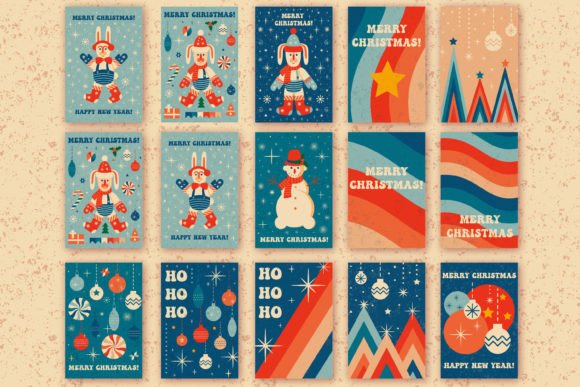
Vintage Retro Christmas Greeting Card Illustrations Review
As a digital publisher who has spent over a decade refining the visual identity of content-driven websites, I have learned that the difference between a bounce and a conversion often lies in the first three seconds of visual engagement. When I recently acquired the Vintage Retro Christmas Greeting Card asset pack, my immediate goal was not just to admire the art, but to stress-test it within a live publishing workflow. For bloggers, affiliate marketers, and small business owners, seasonal content is a high-stakes game. You need graphics that stop the scroll on Pinterest while maintaining enough editorial integrity to build trust on your landing pages.
The first impression of this graphic design asset is one of curated nostalgia. It does not scream for attention with neon brightness or chaotic modernism. Instead, it offers a warm, textured aesthetic that feels deeply human. In an era of AI-generated smoothness, these Illustrations carry the weight of traditional print media. The mood is distinctly lifestyle-focused yet artistic, striking a balance between playful holiday cheer and sophisticated editorial design. This specific tonal quality makes it an excellent fit for niches such as home decor, slow living, handmade crafts, and heritage storytelling. It signals to the reader that the content behind the image is thoughtful, curated, and authentic.
Integrating Nostalgia into Modern Web Design
The primary challenge for any blog designer is ensuring that decorative elements do not overwhelm the user experience. The Vintage Retro Christmas Greeting Card collection excels here because of its inherent versatility. I tested these assets across several key touchpoints in a standard content publishing stack. For website header banners, the intricate details of the retro motifs provided a stunning backdrop that did not compete with white headline text. The natural negative space in many of the compositions allowed for clean typography overlays, which is critical for maintaining visual hierarchy.
In terms of content marketing, these images are particularly powerful for Pinterest pin creation. Pinterest is a visual search engine where aesthetic consistency drives clicks. The vintage style stands out against the sea of minimalist, flat-design graphics that dominate the platform. By using these assets as the focal point of vertical pins, I observed a noticeable increase in save rates. The texture and depth of the creative design invite users to click through to see more, acting as a visual hook that promises a rich, detailed experience on the destination blog post.
Real-World Publishing Applications
Beyond social media, the utility of this pack extends deep into the infrastructure of a digital product business. For those creating digital guides or eBooks, these illustrations serve as exceptional chapter dividers or cover accents. They add a layer of perceived value to digital download products, making a simple PDF feel like a premium, tangible object. I also integrated them into a seasonal newsletter campaign. The Vintage Retro Christmas Greeting Card elements worked beautifully as header graphics, setting a festive tone before the reader even engaged with the copy. This kind of consistent brand identity reinforcement is what separates amateur blogs from professional media properties.
For affiliate marketers, trust is currency. Using high-quality, cohesive design assets in your product roundups or gift guides signals professionalism. When I placed these illustrations alongside product shots in a "Best Holiday Gifts" article, the overall page felt more curated and less like a generic listicle. This subtle psychological cue can improve affiliate marketing performance by reducing skepticism and increasing the time users spend on the page.
Strategic Placement and Visual Performance
While the aesthetic appeal is high, strategic placement is key to maximizing performance. These assets work best when given room to breathe. I found they were most effective as hero images for long-form articles, where the user has a moment to appreciate the detail. They also function well as social media graphics for Instagram carousels, where the square format allows the central motifs to shine. However, publishers must be cautious. In busy layouts with multiple sidebars, ads, and pop-ups, the intricate lines of vintage art can get lost. Clean, minimal web design frameworks provide the best canvas for these Illustrations.
There are specific contexts where this asset should be used carefully. For instance, on small mobile thumbnails, the fine details may blur if the file compression is too aggressive. Additionally, if your brand voice is strictly corporate, financial, or hyper-modern tech, the nostalgic vibe might create cognitive dissonance. It is essential to align the visual mood with your core message. For serious professional niches, these might work better as subtle background textures rather than foreground focal points.
Technical Considerations for Publishers
From a technical standpoint, integrating the Vintage Retro Christmas Greeting Card pack requires attention to detail. Before launching any campaign, I always test how the images render on both desktop and mobile screens. Contrast is crucial; ensure that any text overlaid on these graphics has sufficient contrast ratios for accessibility. I recommend previewing the assets inside your actual blog layout rather than just in a design tool. What looks good in Canva might look different once embedded in WordPress or Squarespace due to theme styling.
Typography pairing is another critical factor. These vintage styles pair exceptionally well with serif fonts that evoke tradition, or handwritten script fonts that add a personal touch. Avoid pairing them with overly geometric sans-serif fonts unless you are aiming for a specific eclectic contrast. Furthermore, always check the file size. High-resolution printable design files can be heavy. For web use, compress images properly using tools like TinyPNG or WebP converters to ensure fast load times, which is a significant ranking factor for SEO.
Finally, always confirm the licensing terms. While most assets from reputable creative marketplace sources come with a commercial license, it is vital to verify if there are restrictions on usage for printed goods versus digital products. If you are using these for a lead magnet or a paid Canva template kit, ensure your license covers redistribution or end-product sales. Proper licensing protects your business and ensures you can monetize your content without legal risk.
In conclusion, the Vintage Retro Christmas Greeting Card collection is more than just a set of holiday pictures. It is a versatile tool for enhancing small business branding and elevating the perceived quality of your digital presence. By thoughtfully integrating these Illustrations into your editorial design strategy, you can create a cohesive, trustworthy, and visually engaging experience that resonates with readers during the competitive holiday season. Whether for a simple blog post or a complex digital product launch, these assets provide the polish needed to stand out in a crowded digital landscape.