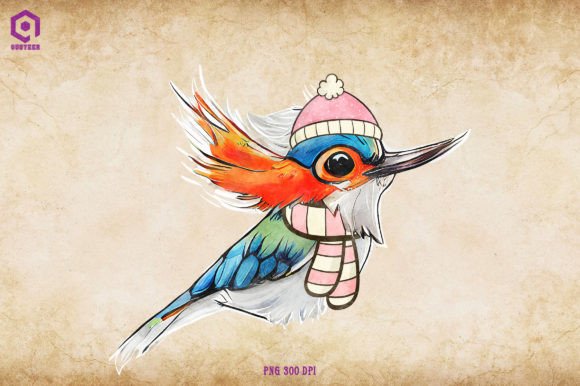
Kingfisher Cozy Christmas: A Designer’s Review
As an embroidery designer who has spent countless hours digitizing and stitching thousands of files, I have developed a keen eye for what works in the real world. It is one thing to look at a digital preview on a screen; it is entirely another to see how a machine embroidery design behaves under the needle, especially when deadlines are tight and client expectations are high. Recently, I had the opportunity to evaluate Kingfisher Cozy Christmas, a piece from the Illustrations category that promises a festive yet relaxed aesthetic. Here is my practical assessment of how this design performs in actual production environments.
First Impressions and Visual Personality
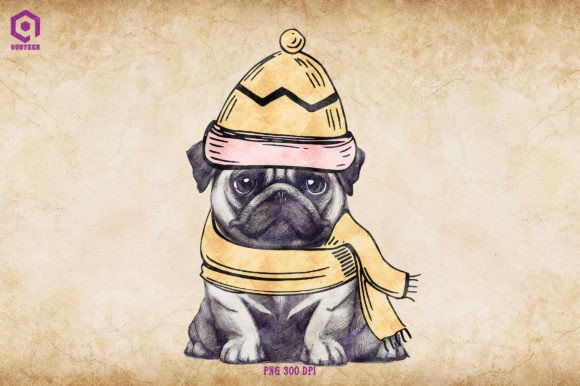
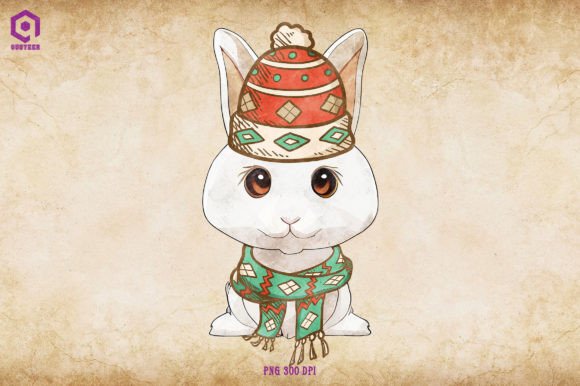
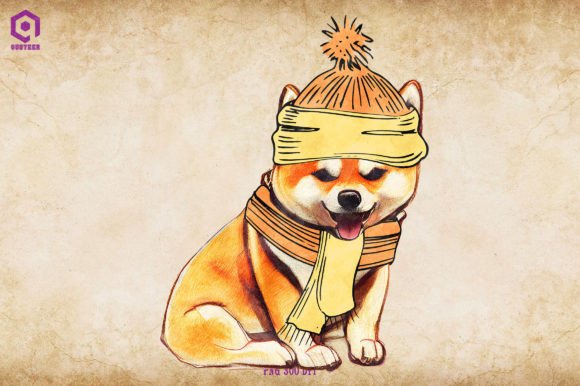
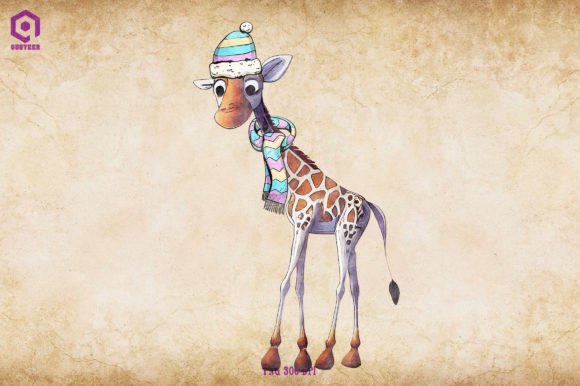
The first thing that strikes you about Kingfisher Cozy Christmas is its mood. In a market saturated with overly complex, dense holiday motifs, this design offers a breath of fresh air. It feels intentional and curated rather than cluttered. The layout suggests a balance between whimsical charm and professional cleanliness. For those of us who create handmade products, visual personality is crucial. We are not just selling stitches; we are selling a feeling. This design evokes warmth, nostalgia, and the quiet comfort of the holiday season.
From a technical standpoint, the shape and detail level appear well-considered. The lines are clean, suggesting a thoughtful approach to pathing and stitch direction. When I examine designs in the Illustrations category, I look for clarity. Does the image translate well into thread? With Kingfisher Cozy Christmas, the visual hierarchy seems strong. The main elements stand out without getting lost in excessive background noise. This is vital for ensuring that the final finished product looks crisp, even from a distance.
Real-World Application: The Tote Bag Test
To truly understand the value of an embroidery file, you must imagine it on a specific product. I envisioned using Kingfisher Cozy Christmas for a custom holiday tote bag project. Tote bags are a staple for Etsy sellers and small shop owners during the fourth quarter. They require designs that are durable, visually impactful, and quick to stitch.
In this scenario, the design’s scale would be key. Placed centrally on a canvas or cotton tote, the motif would serve as a charming focal point. Because the design likely utilizes a mix of fill stitch areas for body and satin stitch or running stitch for outlines, it should lay flat against the fabric. This is critical for items that will be folded, stored, and washed. A design that puckers or pulls too much can ruin the perceived quality of a small shop product. Based on the visual structure, Kingfisher Cozy Christmas appears suitable for this application, offering a professional look that enhances the perceived value of the bag.
Versatility Across Product Lines
Beyond tote bags, this design shows promise for various other applications. Consider sweatshirt embroidery. A cozy Christmas motif is naturally at home on fleece or cotton blends. However, one must be mindful of the fabric texture. Thick piles can swallow small details. If Kingfisher Cozy Christmas has fine lines, it might need slight adjustments or a larger hoop size to maintain clarity on textured materials.
For baby embroidery projects, such as onesies or blanket accents, the softness of the theme is a major asset. Parents love gentle, non-aggressive imagery for infants. However, stitch density becomes a safety and comfort concern here. High-density areas can feel stiff against sensitive skin. I would recommend testing the design on scrap fabric similar to the final garment to ensure the back of the stitching is smooth and does not irritate.
Embroidered patch creators will also find value in this design. Patches require bold, clear shapes that hold up when cut away from the main fabric. If the design has solid boundaries and minimal stray threads, it translates beautifully into iron-on or sew-on patches, which are popular add-ons for craft business inventories.
Technical Considerations and Potential Pitfalls
While Kingfisher Cozy Christmas has strong aesthetic appeal, no design is universal. There are specific scenarios where caution is required. Understanding these limitations is what separates amateur hobbyists from professional commercial embroidery providers.
- Fabric Choice: On thin or stretchy fabrics, such as jersey knits for t-shirts, proper stabilization is non-negotiable. Without a cut-away stabilizer, even a well-digitized design can distort over time. Always test on the exact fabric weight you intend to use.
- Hoop Size Constraints: If you are working with smaller hoops, such as 4x4 inches for caps or small accessories, verify the dimensions of the design. Cramping a large illustration into a small space can lead to thread breaks and poor registration.
- Dark Fabrics: Thread color contrast is essential. If you plan to stitch this on navy or black garments, ensure your thread colors pop. You may need to adjust the palette or add an underlay if the design allows, to prevent the fabric color from showing through light stitches.
- Curved Surfaces: Stitching on caps requires careful hooping. Designs with large solid fill areas can pull on the curved brim. Check if the design is optimized for caps or if it is better suited for flat surfaces like pillow covers or aprons.
Enhancing Brand Value and Customer Trust
For digital product sellers and apparel decorators, the choice of design directly impacts brand consistency. Using a high-quality, cohesive design like Kingfisher Cozy Christmas signals professionalism. Customers can tell when a design is pixelated, poorly stitched, or generic. A clean, well-executed illustration builds trust.
When creating printable mockups or digital previews for your online store, this design offers excellent visual appeal. It photographs well because of its balanced composition. Good photography leads to higher engagement on social media and better conversion rates on platforms like Etsy. Furthermore, as a personalized gift option, adding a name or date below the main motif can increase the perceived value significantly, allowing you to charge a premium for customization.
Practical Notes for the Embroiderer
Before committing to a full production run, follow these steps to ensure success with Kingfisher Cozy Christmas:
- Test on Scrap Fabric: Never skip this step. Use the same material and stabilizer combination you plan to use for the final item.
- Check Stitch Density: Feel the back of the test stitch. Is it too stiff? If so, consider reducing density in your software if you have the editable file, or choose a thicker fabric to support it.
- Review Thread Colors: Match your physical thread spools to the design’s color map. Subtle shifts in shade can change the entire look of the illustration.
- Confirm Licensing: If you are selling finished items, ensure your license permits commercial use. If you are selling the digital embroidery file itself, verify the redistribution rights.
- Inspect Small Details: Look closely at tiny corners or text elements. Are they stitching out cleanly? If not, you may need to trim jump stitches carefully or adjust tension settings.
In conclusion, Kingfisher Cozy Christmas represents a solid choice for designers looking to add a touch of festive elegance to their portfolio. It fits naturally into the Illustrations category, offering versatility across various embroidery projects. By respecting the technical requirements of fabric, stabilization, and hoop size, you can leverage this design to create high-quality, sellable goods that resonate with customers. Whether for a boutique brand or a home-based craft business, this design holds the potential to become a seasonal favorite.