Rabbit Cozy Christmas: A Designer’s Real-World Review
As an embroidery designer who has spent years digitizing patterns and testing them on everything from stiff denim to delicate baby knits, I approach every new machine embroidery design with a mix of curiosity and skepticism. We have all been there: you download a cute file, load it onto your machine, and hope for the best, only to find puckering fabric or thread breaks halfway through. That is why I took a close, practical look at Rabbit Cozy Christmas. This piece falls under the category of Illustrations, which immediately tells me that visual storytelling is the priority here. But does it hold up when the needle actually hits the fabric?
First Impressions: Mood and Visual Personality
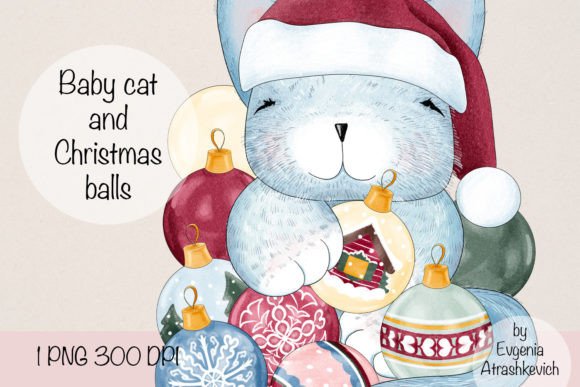
The first thing that strikes me about Rabbit Cozy Christmas is its warmth. It does not scream for attention with neon brightness or chaotic lines; instead, it invites you in. The layout suggests a narrative of comfort, likely featuring soft curves and approachable character details. For those of us creating holiday embroidery pieces, this mood is gold. Customers are not just buying a stitch pattern; they are buying a feeling. Whether it is for a personalized gift or a boutique item, the design needs to evoke nostalgia and joy.
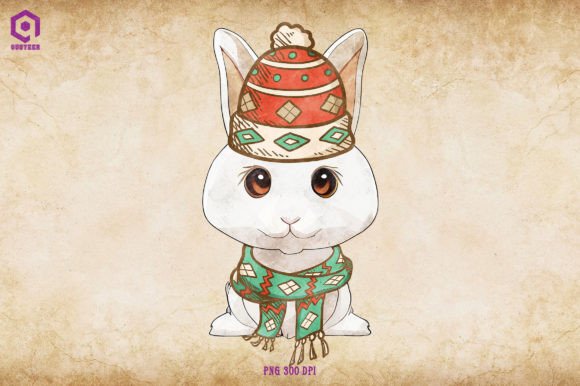
From a technical standpoint, the illustration style implies a balance between detail and stitchability. Complex illustrations can sometimes translate poorly into thread if the digitizer relies too heavily on tiny running stitch details that get lost on textured fabrics. However, a well-executed illustrative design uses smart layering. I looked for clear separation between elements, ensuring that the rabbit’s features do not merge into a blob of thread once stitched out. The visual personality feels gentle, making it an ideal candidate for projects where softness is key, such as nursery decor or winter apparel.
Real-World Application: Where This Design Shines
I decided to mentally place Rabbit Cozy Christmas into a few common production scenarios to see where it fits best. My primary test case was a custom tote bag design. Tote bags are staples for Etsy sellers and small shop product lines because they offer a large, flat canvas. On a heavy cotton canvas, this design would likely pop beautifully. The sturdy fabric supports the weight of the stitches, preventing the dreaded "hoop burn" or distortion that plagues thinner materials.
Another strong contender is sweatshirt embroidery. Holiday sweatshirts are massive sellers in the fourth quarter. Placing this illustration on the left chest or as a larger back piece could create a high-value custom apparel item. The cozy theme aligns perfectly with the texture of fleece or French terry cloth. However, this brings up a critical point: fabric texture. If the sweatshirt material is too plush, fine details might get swallowed. I would recommend using a cut-away stabilizer to provide a firm foundation, ensuring the design remains crisp against the fuzzy background.
For baby embroidery projects, such as onesies or burp cloths, this design seems appropriate due to its gentle aesthetic. Parents love holiday-themed items for their little ones, and a rabbit motif is timeless. However, baby skin is sensitive, so I would advise checking the back of the stitching. If the stitch density is too high, it might feel scratchy. Using a soft, tear-away stabilizer and perhaps backing the design with a light fusible interfacing can make the finished product much more comfortable for infant wear.
Technical Considerations and Potential Pitfalls
While Rabbit Cozy Christmas has strong visual appeal, we must discuss where it requires caution. Not every project is a flat piece of cotton. If you are planning to use this on curved surfaces like caps or hats, you need to be wary of distortion. Caps require specific digitizing techniques, often involving column stitches rather than wide fills. If this design was not specifically optimized for headwear, it may pucker or pull the fabric awkwardly. Always check if the embroidery file includes a version scaled for smaller hoops or curved applications.
Dark fabrics present another challenge. If you are stitching this on a navy or black garment, you cannot rely on the fabric to show through as part of the design. You will need to ensure that the thread colors have enough contrast. Sometimes, illustrative designs rely on subtle shading that disappears on dark backgrounds. In such cases, consider adding a white underlay or choosing a lighter base garment. Testing the design in a black-and-white mockup before stitching can save you from wasting expensive thread and time.
Additionally, pay attention to small details. If the rabbit has tiny eyes or intricate whiskers, these elements are prone to breaking or tangling if the stitch count is too low for the size. Inspect the preview closely. If certain areas look like single straight lines, they might benefit from a slight increase in density or a change to a satin stitch border for durability, especially if the item will be washed frequently.
Enhancing Product Value and Brand Consistency
For craft business owners, the choice of design directly impacts perceived value. A clean, professional-looking Rabbit Cozy Christmas can elevate a simple towel into a premium holiday gift. Consistency is key. If your brand focuses on rustic, handmade vibes, this illustration likely fits seamlessly. However, if your brand is ultra-modern and minimalist, you might need to adjust the color palette to match your aesthetic. Using consistent thread colors across your product line helps build brand recognition.
When listing this item on platforms like Etsy, the quality of your printable mockup or photos matters immensely. Show the design on different products to help customers visualize it. A photo of the embroidery on a linen pillow cover appeals to home decorators, while the same design on a tote bag appeals to students or shoppers. Highlighting the versatility of the design assets can increase buyer engagement. Remember, customers want to know how the handmade product will look in their lives, not just what the digital file looks like on a screen.
Practical Notes for the Embroiderer
Before you commit to a full production run, follow these practical steps. First, always test the design on scrap fabric that matches your final product. This allows you to check tension, thread breaks, and overall look without risking your sellable inventory. Second, verify the hoop size requirements. Ensure your machine can accommodate the dimensions of Rabbit Cozy Christmas without re-hooping, which can lead to alignment issues.
Third, confirm the licensing terms. As a commercial embroidery user, you need to know if you are allowed to sell finished items made with this digital embroidery file. Most designers allow physical sales but restrict the resale of the digital file itself. Never assume; always read the license included with your purchase. Finally, consider the washability. If you are making kitchen towels or aprons, use polyester thread for its durability and colorfastness. Cotton thread may look matte and nice initially but can fade or shrink after multiple washes.
In conclusion, Rabbit Cozy Christmas appears to be a versatile and charming addition to your library of Illustrations. It offers strong potential for seasonal sales, particularly in the realm of gifts and home decor. By paying attention to fabric choice, stabilizer selection, and stitch density, you can ensure that your embroidery project results in a high-quality, professional finished product that customers will cherish. Happy stitching!