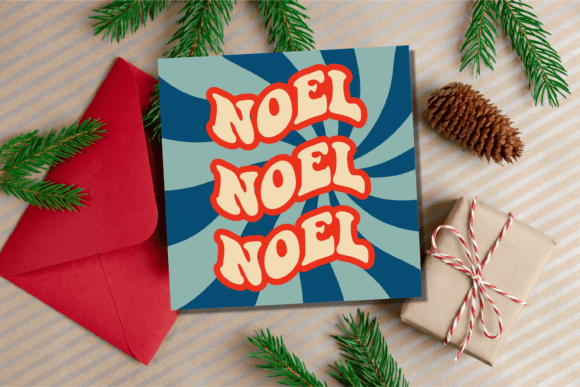
Noel Christmas Card: Illustrations for Branding
As a brand designer and content marketer, I approach every new graphic design asset with a critical eye. It is not enough for an image to be pretty; it must perform. When I first opened the files for the Noel Christmas Card, my immediate goal was to determine if this collection of Illustrations could hold its own in a competitive holiday marketing landscape. For small business owners, online coaches, and creative entrepreneurs, the holiday season is not just a time for celebration—it is a crucial revenue period. The visual assets you choose can make or break your campaign’s conversion rate.
The first impression of the Noel Christmas Card set is one of refined warmth. Unlike the chaotic, clipart-heavy designs that often clutter social feeds in December, these visuals offer a sense of calm and intentionality. The mood is nostalgic yet modern, striking a balance that appeals to audiences seeking authenticity. This emotional tone is vital for brands that rely on audience trust and emotional connection. Whether you are selling handmade goods, lifestyle content, or digital products, the aesthetic suggests quality and care. It feels suitable for premium visuals and editorial graphics, elevating the perceived value of whatever product it accompanies.
Integrating Noel Christmas Card into Real Campaigns
To test the practical utility of this asset, I imagined a real-world scenario: a boutique skincare brand launching a limited-edition holiday gift set. The brand’s identity is clean, minimal, and earthy. They needed marketing visuals that would stand out on Instagram and Pinterest without clashing with their existing brand identity. The Noel Christmas Card illustrations provided the perfect decorative accents. By using these elements as subtle overlays on product photography, we created a cohesive look that felt festive but not overwhelming.
This versatility is where the asset shines. It is not just a static image; it is a flexible tool for content marketing. You can utilize these designs across a wide spectrum of touchpoints. For social media graphics, such as Instagram posts and Stories, the illustrations serve as engaging frames or background textures. For Pinterest pins, they add vertical interest and draw the eye to key promotional text. In email banners, they create a seasonal header that signals a special offer without requiring a complete redesign of your template.
Furthermore, the asset supports packaging design and product labels effectively. If you are a product creator, incorporating these illustrations into your physical packaging can transform a simple box into a memorable unboxing experience. They work equally well for digital sellers who need attractive covers for eBooks, planners, or Canva templates. The key is consistency. By using the same visual language across your digital ads, website headers, and printable promotions, you reinforce professional branding and improve brand recognition.
Enhancing Visual Hierarchy and Audience Engagement
One of the primary challenges in holiday marketing is noise. Consumers are bombarded with red and green visuals everywhere. The Noel Christmas Card helps cut through this clutter by offering a distinct style that supports a clear visual hierarchy. When used correctly, these illustrations guide the viewer’s eye toward the most important information—whether that is a discount code, a product name, or a call to action.
In my review, I found that these elements significantly improve the professional appearance of marketing materials. A well-placed illustration can soften a hard sell, making Facebook ads feel more like helpful content than intrusive interruptions. This shift in perception leads to better engagement rates. For bloggers and publishers, using these assets in editorial design adds a layer of polish that keeps readers on the page longer. It creates a memorable campaign visual that users are more likely to share, extending your organic reach.
The asset also supports stronger first impressions. When a potential customer lands on your website or sees your lead magnets, the quality of your visuals signals the quality of your service. High-quality design assets like the Noel Christmas Card convey that you pay attention to detail. This builds credibility, which is essential for converting cold traffic into loyal customers. Whether you are creating media kits for sponsors or designing event flyers for a local workshop, the right illustration can elevate the entire composition.
Strategic Placement and Design Limitations
While the Noel Christmas Card is a powerful tool, it is not a one-size-fits-all solution. Understanding where to use it—and where to exercise caution—is part of effective small business branding. These illustrations work best as hero graphics, campaign headers, and decorative brand elements. They are ideal for product launch visuals and promotional banners where the goal is to evoke emotion and set a seasonal tone.
However, you should use this asset carefully in dense information layouts. If your design is text-heavy, such as a detailed infographic or a terms-and-conditions page, adding complex illustrations can compete with the main message and reduce readability. Similarly, for formal corporate branding that relies on strict minimalism, these festive elements might feel out of place unless adapted subtly. Always consider the context. In web design, ensure that the illustrations do not slow down load times or distract from navigation elements.
Another consideration is scale. On small mobile graphics, intricate details may get lost. It is crucial to test how the SVG design or PNG design renders on different screen sizes. If the illustration becomes muddy or indistinguishable at smaller sizes, simplify the layout or increase the contrast. Avoid placing these assets on low-contrast backgrounds where they might blend in rather than stand out. The goal is to enhance the message, not obscure it.
Practical Notes for Designers and Marketers
Before integrating the Noel Christmas Card into your next project, take some time to conduct thorough tests. As a designer, I always recommend testing the asset with your specific brand color palette. While the default colors may be beautiful, adjusting them to match your brand guidelines ensures visual consistency. Check how the illustrations look in black and white, as this can reveal issues with balance and spacing that color might hide.
Place the asset inside real campaign mockups to see how it interacts with other elements. Preview it on mobile screens to ensure clarity. Test readability if you are overlaying text on top of the illustration. Compare it against competitor visuals to ensure your brand stands out. Pay attention to typography pairing. These illustrations often pair well with serif fonts for a classic look, sans serif fonts for a modern feel, or script fonts for a handwritten, personal touch. However, avoid using overly decorative display fonts that might clash with the intricacy of the clipart or illustration.
Finally, always review the licensing terms. Confirm that you have the appropriate commercial license before using the asset in paid campaigns, client work, or business branding. This protects you legally and ensures you can use the digital product confidently across all channels. Whether you are buying from a creative marketplace or working with a custom designer, understanding usage rights is non-negotiable for professional operations.
In conclusion, the Noel Christmas Card is more than just a seasonal graphic; it is a strategic component of your content creation toolkit. When used with intention, it enhances brand communication, supports marketing goals, and creates a cohesive visual experience. For brand owners and marketers looking to elevate their holiday presence, this asset offers the flexibility and quality needed to succeed in a crowded digital landscape. By focusing on practical application and audience perception, you can turn a simple design element into a powerful driver of engagement and sales.