Review: Merry Christmas Greeting Card with Cat Design
As a designer who has spent years digitizing patterns and testing them on everything from flimsy silk to heavy denim, I approach every new machine embroidery design with a mix of excitement and skepticism. We have all been there: you download a file that looks stunning in the preview, only to find it turns into a tangled mess of thread once the needle hits the fabric. That is why I took a close look at the Merry Christmas Greeting Card with Cat design before committing it to any client project or personal holiday gift.
This piece falls under the category of Illustrations, which immediately tells me that detail and line quality are paramount. Unlike simple monograms or blocky logos, illustrative designs require a delicate balance between artistic expression and technical stitch execution. Here is my practical breakdown of how this design performs in real-world scenarios, along with tips for getting the best results.
First Impressions and Visual Personality
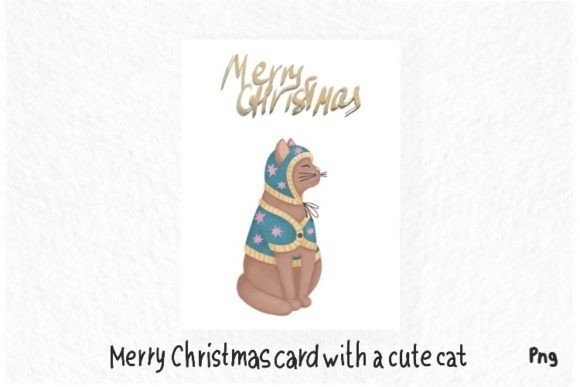
The first thing that strikes me about the Merry Christmas Greeting Card with Cat is its charm. It captures that cozy, whimsical mood we all crave during the holiday season. The layout feels balanced, with the cat serving as the focal point, likely surrounded by festive elements that complement rather than overwhelm the subject. For an embroidery project, this visual personality is crucial. It needs to read clearly from a distance while still offering interesting details up close.
The theme is universally appealing, making it a safe yet stylish choice for a wide range of products. Whether you are aiming for a rustic farmhouse vibe or a modern minimalist aesthetic, this design adapts well because it relies on strong shapes rather than overly complex shading. As an experienced reviewer, I look for designs that do not fight the fabric, and this one seems to sit comfortably within that sweet spot.
Real-World Application: From Tote Bags to Sweatshirts
Let’s talk about where this design actually shines. I recently considered using a similar festive cat motif for a custom order of holiday tote bags. The Merry Christmas Greeting Card with Cat would be an excellent candidate for a tote bag design. Canvas provides a stable base that handles stitch density well, allowing the details of the cat’s fur or facial features to pop without sinking into the weave.
Beyond bags, think about sweatshirt embroidery. A crewneck sweatshirt in heather grey or deep forest green provides a perfect backdrop for this illustration. The soft texture of the fleece complements the cozy theme of the design. However, when working with stretchy fabrics like jersey knits for t-shirts or baby clothes, you must be mindful of distortion. If you plan to use this for baby embroidery, such as on a onesie or a burp cloth, ensure you are using a cut-away stabilizer to prevent the stitches from puckering the delicate fabric over time.
For those running an Etsy seller shop or a small boutique, this design offers versatility. It works beautifully on kitchen towels as a seasonal accent or on pillow covers to refresh living room decor for December. The key is matching the scale of the design to the item. A large hoop placement on a blanket makes a bold statement, while a smaller version on a cap requires careful attention to curve compensation.
Technical Considerations and Stitch Performance
When evaluating any embroidery file, I always check the stitch types used. Does the designer rely too heavily on dense fill stitch areas that might make the fabric stiff? Or do they use satin stitch effectively for outlines and finer details? In illustrative designs like this, running stitch is often used for internal detailing to keep the weight down. I recommend zooming in on your software to inspect these elements before hooping.
Stitch density is another critical factor. If the design is too dense, it can perforate thin fabrics or cause registration issues where colors do not align perfectly. For the Merry Christmas Greeting Card with Cat, I advise testing on a scrap piece of your intended fabric first. This allows you to see if the thread colors provide enough contrast against the background. For instance, if you are stitching on dark fabric, you may need to adjust the underlay or choose brighter thread shades to ensure the cat’s features remain visible.
Be cautious with small details. If the design includes tiny text or intricate whiskers, these can easily get lost if the hoop size is too large relative to the design, or if the tension is off. Always confirm the recommended hoop size provided with the digital files. If the design includes very fine lines, consider using a sharper needle and high-quality polyester thread to reduce breakage and improve clarity.
Navigating Fabric and Surface Challenges
Not every surface is friendly to detailed illustrations. Curved surfaces like caps present a unique challenge. If you are attempting custom apparel like baseball hats, you must ensure the design is centered correctly and that the stabilizer is robust enough to handle the curvature. Textured fabrics, such as terry cloth or waffle knit, can swallow up small stitches. In these cases, using a topping or water-soluble stabilizer on top of the fabric can help the needle penetrate cleanly and keep the stitches sitting on top of the texture.
For layered garments or items that will undergo frequent washing, durability is key. Ensure that your stabilizer choice matches the wear and tear the item will face. A tear-away stabilizer might suffice for a decorative pillow that sits on a shelf, but a cut-away is essential for a frequently worn sweatshirt or a child’s outfit that goes through the wash weekly.
Enhancing Product Value and Brand Consistency
From a business perspective, the quality of your embroidery directly impacts customer trust. A clean, well-stitched Merry Christmas Greeting Card with Cat elevates a simple item into a cherished personalized gift. It shows attention to detail and professionalism. For craft business owners, consistency is vital. If this design fits your brand’s aesthetic, use it across multiple product lines to create a cohesive holiday collection.
When creating listings for your small shop product range, high-quality photos are essential. Use printable mockup tools to visualize the design on different items before you stitch them all out. This helps you gauge which products will yield the best return on investment. Remember, a well-executed embroidered patch can also be a standalone product, offering customers a versatile way to add holiday cheer to jackets or bags.
Final Designer Notes and Best Practices
Before you launch into production, here are my final practical tips for using this design:
- Test First: Always stitch out a sample on scrap fabric identical to your final material. Check for puckering, thread breaks, and color accuracy.
- Check Licensing: Confirm the license terms for the digital embroidery file. Ensure you have the right to use it for commercial embroidery if you plan to sell finished items.
- Contrast Matters: Test the design in black and white on your screen to see if the values hold up. If the details disappear in grayscale, they might get lost in low-contrast fabric combinations.
- Hooping Technique: Ensure the fabric is drum-tight in the hoop. Any slack can lead to misalignment, especially in detailed illustrations.
- Thread Quality: Use high-quality threads to minimize lint buildup and ensure vibrant thread colors that withstand washing.
In conclusion, the Merry Christmas Greeting Card with Cat is a promising addition to your library of design assets. With careful attention to fabric choice, stabilizer selection, and machine settings, it can produce beautiful, professional-looking results. Whether you are creating a one-off holiday embroidery gift for family or stocking your online store with festive goods, this design offers the charm and versatility needed to succeed. Take the time to refine your technique, and your finished products will speak for themselves.