Reviewing Woodland Christmas Clipart, Xmas Bunny for Stitchers
As a designer who spends half my life staring at digitized paths and the other half pulling bobbins out of tangled messes, I have learned to look past the pretty preview images. When I first pulled up the Woodland Christmas Clipart, Xmas Bunny, my immediate reaction was not just about cuteness, but about stitchability. In the world of Illustrations meant for embroidery, there is a fine line between a graphic that looks good on a screen and one that holds up under the needle. This particular design sits comfortably in that sweet spot where whimsical charm meets technical practicality, making it a strong candidate for anyone looking to elevate their holiday lineup.
The First Impression: Mood and Layout
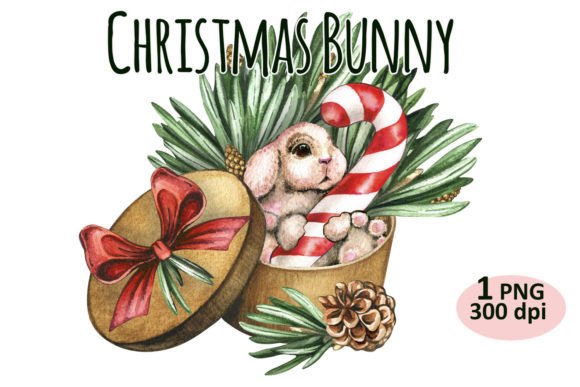
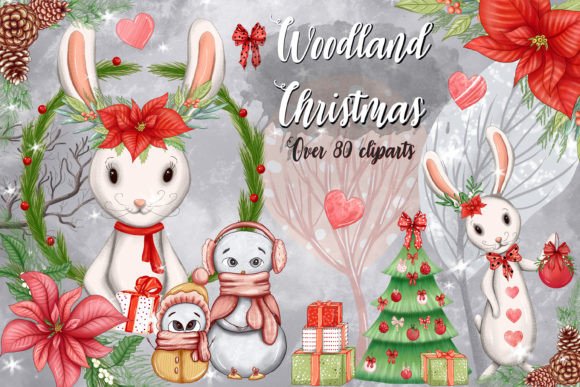
The visual personality of this piece is distinctly cozy. It captures that specific woodland aesthetic that has become so popular in modern handmade goods—think muted greens, warm browns, and soft creams rather than the neon brightness of traditional commercial Christmas decor. The layout is balanced, with the bunny as the central focal point, surrounded by subtle festive elements that do not compete for attention. For an embroidery project, this clarity is crucial. When you are working with thread, which has physical thickness and texture, overly busy designs can turn into a muddy blob. Here, the shapes are distinct enough to maintain their integrity even when translated into satin stitch or fill stitch.
I appreciate that the design does not rely on microscopic details that vanish on textured fabrics. The lines are clean, suggesting a digitization process that respects the limitations of the hoop. Whether you are creating a personalized gift for a niece or stocking your Etsy seller shop with holiday inventory, the mood here is inviting. It feels less like a mass-produced graphic and more like a hand-drawn sketch, which adds perceived value to the finished product.
Real-World Application: From Screen to Fabric
To truly evaluate the Woodland Christmas Clipart, Xmas Bunny, I mentally placed it on several common substrates. My primary test case was a custom embroidered tote bag. Tote bags are often made from canvas or heavy cotton, which have a noticeable weave. A design with too much fine detail would get lost in the fabric texture. However, the bold outlines and moderate density of this bunny design allow it to pop against the natural grain of the canvas. It creates a charming tote bag design that feels sturdy and well-crafted.
I also considered its application on apparel, specifically a sweatshirt embroidery project. Sweatshirts present a challenge due to the fleece lining and the stretch of the knit fabric. The design’s structure seems robust enough to handle the slight distortion that occurs when wearing a knit garment. If you were to place this on the left chest of a crewneck, it would serve as a subtle yet festive accent. For baby embroidery, such as a onesie or a receiving blanket, the softness of the theme is perfect. Parents are drawn to gentle, non-aggressive imagery for infants, and this woodland bunny fits that brief beautifully. Just ensure you use a soft, cut-away stabilizer to prevent the stitches from scratching delicate skin.
For those running a craft business, versatility is key. This design could easily be adapted into an embroidered patch. Patches require dense stitching to prevent fraying edges, and the compact nature of this clipart makes it ideal for small hoops. It could also work on kitchen towels, provided you use a water-soluble topping to keep the stitches from sinking into the terry cloth loops.
Technical Considerations and Potential Pitfalls
While the design is strong, no machine embroidery design is universal without some adjustments. There are areas where you need to proceed with caution. First, consider the hoop size. If you are planning to stitch this on a curved surface like a cap, you must ensure the design fits within the usable area of your cap frame. The width of the bunny’s ears or any surrounding foliage might need scaling down to avoid hitting the seams of the hat.
Thread color contrast is another critical factor. Because this is a woodland theme, the palette likely involves earth tones. If you are stitching on a dark fabric, such as navy or charcoal, you must choose thread colors that offer sufficient contrast. A dark brown bunny on a black shirt will disappear. I always recommend testing the design in a black-and-white mockup first to check for value contrast. If the design relies on subtle shading, it may not translate well on low-contrast backgrounds.
Stitch density is something I always scrutinize. If the embroidery file has high-density fill stitches in the bunny’s body, it could cause puckering on thin fabrics like linen or lightweight cotton. In such cases, using a heavier stabilizer is non-negotiable. Additionally, if the design includes any tiny lettering or intricate corner details, these are the first elements to fail during washing. For products that need frequent laundering, such as aprons or tea towels, I advise checking if the smaller decorative elements can be simplified or removed without losing the overall character of the Woodland Christmas Clipart, Xmas Bunny.
Enhancing Brand Value and Customer Trust
From a business perspective, the quality of your design assets directly impacts your brand consistency. Using a well-digitized, aesthetically pleasing design like this helps build customer trust. When a buyer receives a handmade product that looks professional and clean, they are more likely to leave a positive review and return for future purchases. This design supports that goal by offering a polished look that does not appear amateurish.
For digital embroidery file sellers, providing this as part of a holiday bundle could increase average order value. For those selling physical items, it serves as a strong seasonal anchor. The "woodland" trend shows no signs of fading, making this a safe investment for your small shop product lineup. It appeals to a broad demographic, from young parents to adults who appreciate rustic, cottage-core aesthetics.
Practical Designer Notes for Best Results
Before you commit to stitching this on your final garment, follow these practical steps to ensure success:
- Test on scrap fabric: Always run a test stitch-out on the same type of fabric you intend to use for the final product. This reveals any tension issues or registration errors.
- Check thread colors: Do not rely solely on the default color map in your software. Customize the thread list to match your brand palette or the specific garment color.
- Review stitch density: If the design feels stiff after stitching, consider reducing the density in your editing software or switching to a lighter weight thread.
- Confirm licensing: Before selling finished items or using this in commercial projects, verify the license terms associated with the Woodland Christmas Clipart, Xmas Bunny. Ensure you have the right to sell physical goods made with the design.
- Use proper stabilizer: Match your stabilizer to your fabric. Use cut-away for knits and tear-away for woven fabrics to maintain shape and prevent distortion.
In conclusion, the Woodland Christmas Clipart, Xmas Bunny is a versatile and charming addition to any embroiderer’s library. It balances artistic appeal with technical feasibility, making it suitable for a wide range of applications from custom apparel to home decor. By paying attention to fabric choice, stabilizer selection, and color contrast, you can transform this digital asset into a high-quality holiday embroidery piece that delights customers and enhances your portfolio. It is a reminder that in embroidery, the best designs are those that respect the medium while celebrating the season.