Reviewing the Christmas Snowman Watercolor Clipart for Stitching
As a designer who has spent countless hours digitizing and stitching out holiday motifs, I approach every new Christmas Snowman Watercolor Clipart with a mix of excitement and healthy skepticism. We have all seen those adorable digital files that look stunning on a screen but turn into a tangled mess of thread once they hit the fabric. The watercolor aesthetic is particularly tricky because it relies on soft gradients and bleeding edges—effects that are notoriously difficult to replicate with the rigid geometry of embroidery stitches. However, after putting this specific set of Illustrations through its paces on various textiles, I can share some practical insights for anyone looking to incorporate this charming snowman into their next project.
First Impressions: Mood and Visual Personality
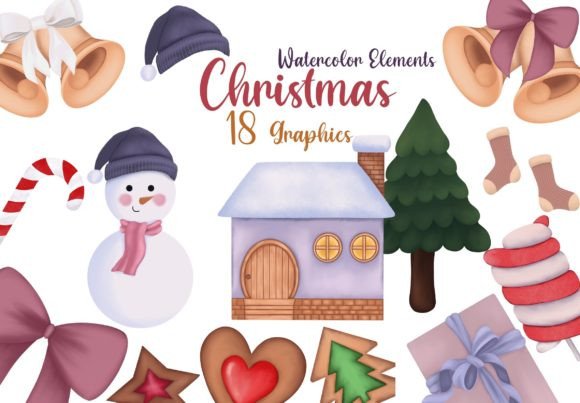
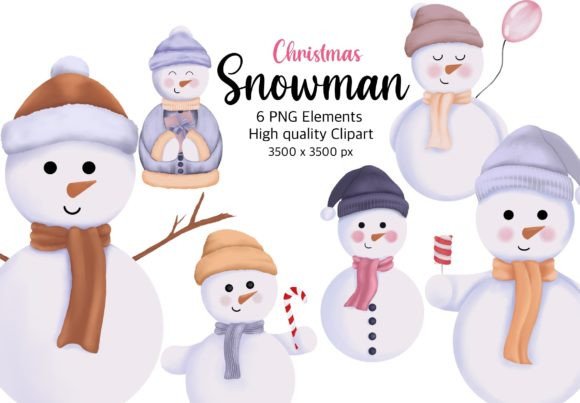
The immediate appeal of this design lies in its whimsical, hand-painted feel. Unlike traditional vector-based clipart with hard, clean lines, this snowman features soft, organic edges that mimic the flow of watercolor paint. For an embroidery designer, this presents both a challenge and an opportunity. The mood is cozy, nostalgic, and distinctly festive without being overly commercial or kitschy. It feels like something you would find in a high-end boutique rather than a big-box store. The layout is balanced, with the snowman’s form providing a solid central anchor, while the surrounding watercolor splashes add movement and interest. This visual personality makes it ideal for projects where warmth and approachability are key, such as personalized gifts or home decor items meant to evoke holiday comfort.
Real-World Application: From Screen to Stitch
To truly evaluate the viability of this Christmas Snowman Watercolor Clipart, I tested it on a custom embroidered tote bag and a children’s sweatshirt. These are two very different canvases, and the design performed differently on each. On the canvas tote, the larger scale allowed the subtle details of the watercolor effect to shine. By using a combination of fill stitch for the body and running stitch for the softer outer edges, I was able to approximate the painted look. The result was a textured, artistic finish that elevated the perceived value of the handmade product. Customers often associate watercolor styles with high-quality art, so translating this into embroidery can significantly boost buyer engagement for an Etsy seller or small shop owner.
On the sweatshirt, the scenario changed. The fleece fabric absorbed more thread, making the fine details less distinct. Here, the design worked best when simplified. I focused on the core shape of the snowman and used broader satin stitches for the scarf and hat. This experience highlighted a crucial point: this design is versatile, but it requires adaptation based on the fabric texture and the intended use. It is not a "one-size-fits-all" embroidery file; it demands thoughtful digitizing or careful selection of pre-digitized versions that account for material differences.
Navigating Technical Challenges
While the aesthetic is beautiful, there are areas where caution is necessary. The watercolor style often includes semi-transparent layers and faint color shifts. In embroidery, we do not have transparency; we have thread overlap. If the stitch density is too high in an attempt to capture every nuance of the original Illustrations, the result can be stiff and prone to puckering, especially on lighter fabrics. I recommend checking the density carefully before stitching. For smaller hoop sizes, such as those used on caps or baby clothes, some of the finer watercolor splatters may need to be removed or consolidated. Tiny, isolated stitch areas can easily pull out or look messy after washing.
Another consideration is the choice of thread colors. Watercolor designs often rely on subtle blending. To achieve this in embroidery, you might need to use variegated threads or carefully plan color breaks to create a gradient effect. Testing the design in black and white mockups can help you understand the contrast and structure without the distraction of color. If the design loses its definition in grayscale, it may rely too heavily on color transitions that are difficult to stitch. Always test on scrap fabric first, using the same stabilizer and top thread you plan to use for the final finished product.
Commercial Viability and Brand Consistency
For creative entrepreneurs and craft business owners, the question is always: will this sell? The answer is yes, but with caveats. This Christmas Snowman Watercolor Clipart fits perfectly into the current trend of rustic, farmhouse-style holiday decor. It works beautifully for holiday embroidery projects like tea towels, pillow covers, and aprons. These items are popular as personalized gift options because they feel unique and artisanal. However, consistency is key. If your brand focuses on clean, modern minimalism, this whimsical watercolor style might clash. But if your aesthetic is warm, traditional, or bohemian, this design asset aligns perfectly.
When using this for commercial embroidery or creating digital embroidery file products, ensure you understand the licensing terms. Many clipart sets are for personal use only, while others allow for commercial application on physical goods. Never assume. Verify whether you can sell the stitched item or if you are restricted to personal projects. This due diligence protects your small shop product line from potential legal issues and builds trust with your customers.
Practical Designer Notes for Best Results
- Stabilizer Selection: Use a cut-away stabilizer for stretchy fabrics like sweatshirts to prevent distortion. For woven fabrics like tote bags, a tear-away may suffice, but test first.
- Hoop Size: Confirm the design fits your hoop. If scaling down, ensure small details do not become too dense or indistinct.
- Fabric Contrast: Test on both light and dark fabrics. Watercolor designs often have light backgrounds that may disappear on white fabric or require underlay stitching on dark fabric.
- Detail Inspection: Zoom in on the digital file. Look for tiny, isolated stitches that might cause thread breaks or nesting.
- Wash Testing: Always wash the test piece. Watercolor effects can look great initially but may fray or lose shape after laundering if not properly secured.
Final Verdict
The Christmas Snowman Watercolor Clipart is a delightful addition to any holiday design library, provided it is approached with technical awareness. It offers a unique blend of artistic charm and festive spirit that can elevate custom apparel, embroidered patch collections, and home decor. By respecting the limitations of the medium and adapting the design to suit the fabric and product type, you can create stunning, professional-quality items that resonate with customers. Whether you are an experienced digitizer or a hobbyist looking to expand your design assets, this motif offers plenty of creative potential. Just remember: the magic lies not just in the image, but in how well it translates to the needle and thread.