Watercolor Christmas Clipart Elements: A Designer’s View
As a designer who has spent years translating digital concepts into thread, I approach every new asset with a mix of curiosity and skepticism. We have all been there: you find a beautiful graphic online, only to realize it falls apart the moment you try to digitize it or stitch it out. That is why my evaluation of Watercolor Christmas Clipart Elements focuses less on how it looks on a screen and more on how it performs in the hoop. These Illustrations offer a soft, painterly aesthetic that is trending heavily in the holiday market, but turning watercolor effects into tangible embroidery requires careful planning.
The Visual Mood and First Impressions
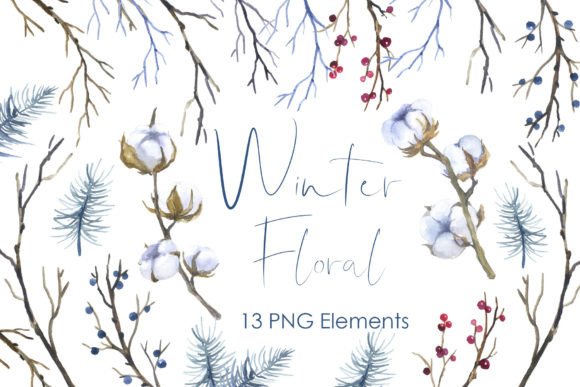
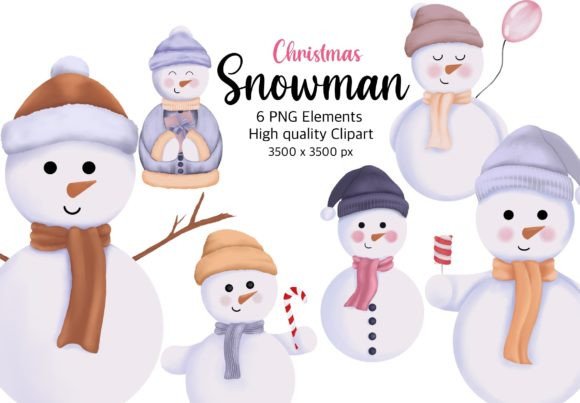
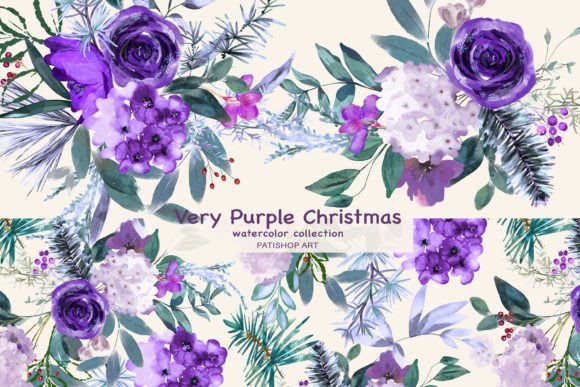
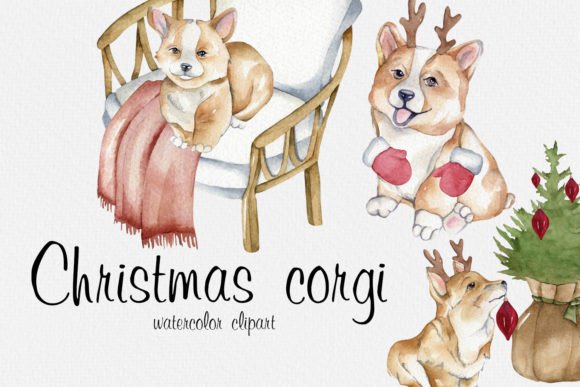
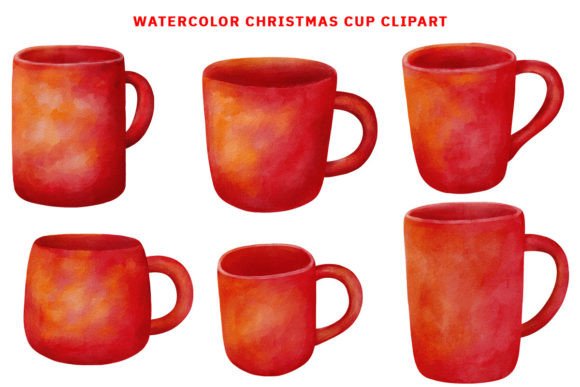
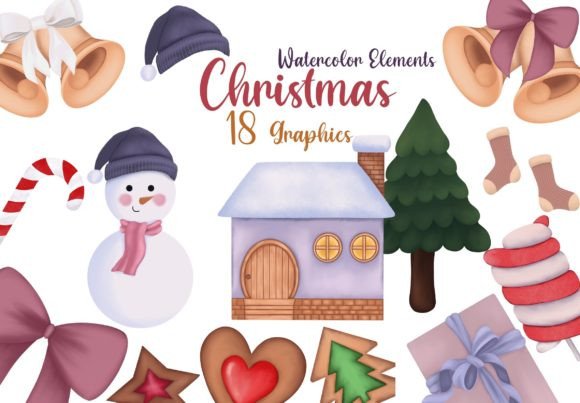
The immediate appeal of these clipart elements lies in their organic, hand-painted feel. Unlike rigid vector graphics, watercolor designs carry a sense of warmth and nostalgia that fits perfectly with the holiday season. The edges are soft, the colors blend naturally, and the overall composition feels inviting rather than commercial. For an embroidery designer, this presents both an opportunity and a challenge. The lack of hard lines means you cannot rely solely on simple satin stitches to define shapes. Instead, you must think in terms of texture and tonal variation.
When I first reviewed these assets, I imagined them not as standalone logos, but as atmospheric accents. They are ideal for projects where the goal is elegance and subtlety rather than bold, high-contrast impact. The visual personality here is gentle, making it a strong candidate for boutique-style products where the handmade quality is the primary selling point.
Real-World Application: The Holiday Tote Bag Scenario
To test the viability of these designs, I mentally walked through a common real-life scenario: creating a custom embroidered tote bag for a local boutique’s holiday gift line. The client wanted something that felt artisanal and unique, avoiding the cheap look of mass-produced prints. Using Watercolor Christmas Clipart Elements as the basis for the design, I considered how the soft blends would translate to fabric.
For a tote bag, typically made of canvas or heavy cotton, the texture of the fabric can compete with delicate details. In this case, the broader strokes of the watercolor style work in our favor. By using a combination of fill stitches for the larger color blocks and running stitches for subtle outlines, we can mimic the fluidity of paint. The result is a handmade product that looks sophisticated. Customers are drawn to items that feel personal, and a tote featuring these soft, festive motifs signals care and attention to detail, increasing the perceived value of the item.
Navigating Fabric and Stitching Challenges
While the aesthetic is lovely, practical execution requires vigilance. Watercolor effects often rely on gradients and semi-transparent layers, which do not exist in traditional embroidery. You must simulate these effects through thread choice and stitch direction. Here is where experience matters. If you attempt to stitch these Illustrations on thin or stretchy fabric without proper support, the design may pucker or distort, ruining the soft illusion.
- Fabric Texture: On textured fabrics like linen or wool, the soft edges of the design can get lost. It is crucial to increase the contrast between thread colors to ensure the shape remains recognizable.
- Stitch Density: Avoid overly dense fill stitches. Watercolor is airy; your stitching should be too. High density can make the fabric stiff and heavy, detracting from the delicate vibe.
- Dark Fabrics: These designs often feature light, pastel tones. Stitching them on dark fabric requires a solid underlay or a backing patch to prevent the background color from showing through and muddying the design.
- Curved Surfaces: If you are applying these to caps or curved hats, keep the design small and centered. Large, complex watercolor shapes can distort significantly on curved hoops.
Enhancing Product Value and Brand Consistency
For Etsy sellers and small shop owners, consistency is key to building a recognizable brand. These clipart elements provide a cohesive visual language that can be applied across various products. Whether you are creating sweatshirt embroidery, baby embroidery for nursery decor, or personalized kitchen towels, the consistent use of this watercolor style helps customers identify your work.
Furthermore, the "giftability" factor is high. Holiday shoppers are looking for items that feel special. A personalized gift featuring these soft, artistic elements feels more thoughtful than a standard, blocky font or generic icon. This emotional connection drives buyer engagement and can justify a higher price point for your custom apparel or home goods.
Practical Notes for the Embroidery Designer
Before you commit to a full production run or list a new digital embroidery file for sale, take the time to test. Here are my essential steps for working with this type of asset:
- Test on Scrap Fabric: Always stitch a sample on the exact fabric you plan to use. Check how the thread colors interact with the material.
- Check Thread Contrast: Watercolor designs can look flat if the colors are too similar. Ensure there is enough distinction between shades to define the shape.
- Review Stitch Density: Adjust your digitizing settings to keep the stitch count reasonable. Too many stitches can cause registration issues and thread breaks.
- Confirm Hoop Size: Make sure the design fits comfortably within your hoop, leaving enough margin for stabilizer and fabric grip.
- Inspect Small Details: Zoom in on the finest parts of the design. If they are too small to stitch cleanly, simplify them or remove them entirely.
- Use Proper Stabilizer: A cut-away stabilizer is often best for garments that will be washed frequently, ensuring the design remains stable over time.
- Verify Licensing: Before selling finished items or using these assets in commercial projects, confirm the license terms. Ensure you have the right to use the design assets for commercial embroidery.
Final Thoughts on Commercial Viability
In the world of commercial embroidery, trends come and go, but the desire for quality remains constant. Watercolor Christmas Clipart Elements offer a versatile toolkit for designers willing to put in the extra effort to translate soft visuals into thread. They are not a plug-and-play solution for every machine or fabric, but with thoughtful digitizing and material selection, they can elevate your small shop product lineup significantly.
Whether you are creating an embroidered patch for a holiday collection or designing a printable mockup for your online store, these elements provide the artistic flair that modern consumers crave. Just remember to respect the limitations of the medium. Embroidery is tactile and structural, while watercolor is fluid and ephemeral. Bridging that gap is where the true artistry lies. By approaching these designs with a critical eye and a practical mindset, you can create finished products that not only look beautiful but also stand up to the rigors of daily use and customer expectation.